Post office · Madras Presidency
CalicutPostal Covers & Pre-1854 Postal History
Calicut postal covers and handstruck postal markings of pre-1854 British India, recorded in an open census: 6 Calicut handstamps recorded between 1801 and 1860, Madras Presidency, with 7 Calicut covers traced to them.
- Handstamps
- 6
- Recorded
- 1801–1860
- Rare
- 2
Calicut, in the Malabar District, Madras Presidency, is situated 11°15' N and 75°47' E, on the West Coast, 414 miles from Madras, It was the first port of India visited by Europeans, and gave its name to "Calico", one of the chief articles of the early trade.
Calicut has 6 pre-1854 hand-struck postal markings dated 1801–1860 recorded in this census. Each figure links to its covers, rarity and provenance.
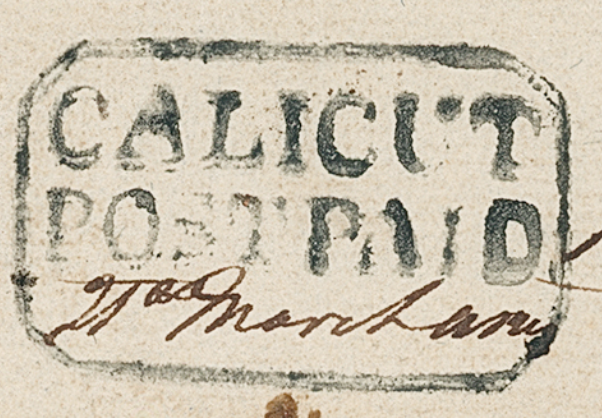

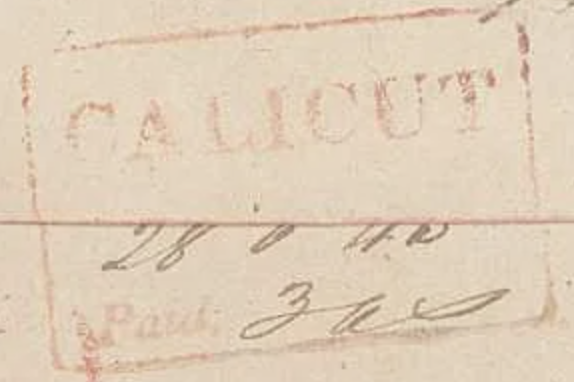
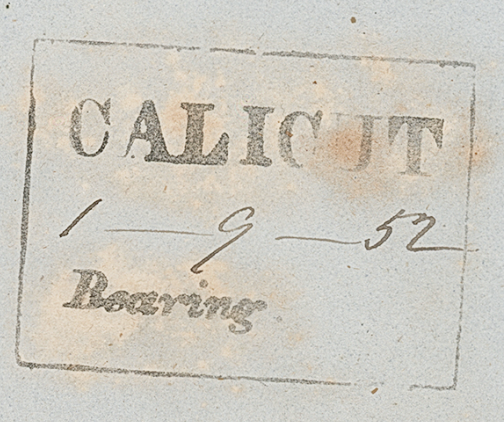
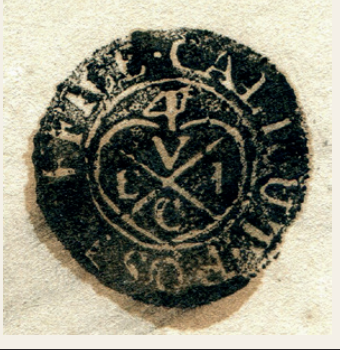
Manuscript markings
1 markBefore handstamps were introduced, postmasters wrote postal details by hand — these manuscript markings pre-date the struck marks above.

Brown border = community submission, verified by editors
Calicut handstamp summary
All recorded markings at a glance — click any row for full details and covers.
Calicut— postal history & markings
Calicut's record opens with a rare manuscript endorsement, MN 1 of 1801, before its handstamps begin; HG 1 of 1821 is known from just two examples. Across six marks to 1860 the office worked in black and red. The Malabar port was the first in India visited by Europeans, and gave its name to 'calico' — a pedigree few offices can match. Its postal record is small, but between the early manuscript and the two-example HG 1, its earliest marks carry real weight, tracing the correspondence of a west-coast town of exceptional historical standing.
Frequently asked — Calicut postal history
- What are the pre stamp covers of Calicut?
- Pre stamp (pre philatelic) covers of Calicut are folded letters and envelopes that passed through the Calicut post office before India's first adhesive stamp of 1854, so postage was shown entirely by hand-struck postal markings and manuscript rates. Calicut was a post office of the Madras Presidency, British India, and this census records 6 distinct postal markings used there, dated between 1801 and 1860.
- How many handstamps are recorded for Calicut?
- 6 hand-struck postal markings are recorded for Calicut in this census, of which 2 are graded rare or better. Each mark carries its Hammond Giles catalogue figure number, colour, date range, evidence-based rarity grade, and links to every surviving cover recorded with it.
- What is Calicut called today?
- Calicut is the colonial-era name of present-day Kozhikode, India. Covers and postmarks are catalogued here under the historical name used on the marks themselves.
- How do I identify a Calicut postmark or cover?
- Compare your cover against the reference impressions on this page — each figure shows the mark's design, ink colour and recorded date range. If your Calicut cover bears a mark that matches a figure, open that figure's page to see every recorded example with provenance. If it matches none, it may be unrecorded: submit photographs through the form on this page and the editors will review it for inclusion in the census.
For background on the material itself, see the guides to the handstruck stamps of India, the pre covers of India and the pre stamp covers of India, which explain how marks like those recorded at Calicut were struck, catalogued and graded for rarity.
Also searched as: Calicut, Kozhikode, Calicut HG 1, Calicut handstruck stamps, Calicut pre stamp covers, Calicut postal history.
How to cite
“Calicut, Madras Presidency — pre-1854 handstruck stamps & covers,” Hand Struck Stamps, https://handstruckstampsindia.com/madras/calicut (accessed 24 September 2026).
Updated: 24 Sept 2026
An unrecorded mark from Calicut?
If you hold a cover or strike from Calicut that does not match any figure above, submit it below. Approved additions appear here as new entries in the census — every submission is reviewed first.
Same presidency
Other post offices in the Madras Presidency
Explore the pre-1854 postal history of other Madras Presidency post offices — each page lists its recorded handstruck markings, dates and surviving covers.